
Dementia and home safety — adaptations the Housing Adaptation Grant funds
Quick answer
Dementia is a recognised qualifying condition under the Housing Adaptation Grant. The grant funds up to €40,000 for stairlifts, level-access showers, grab rails, ramps, and ground-floor extensions — all directly relevant to keeping someone with dementia living safely at home. Households with gross income under €37,500 receive 100% of approved costs covered.
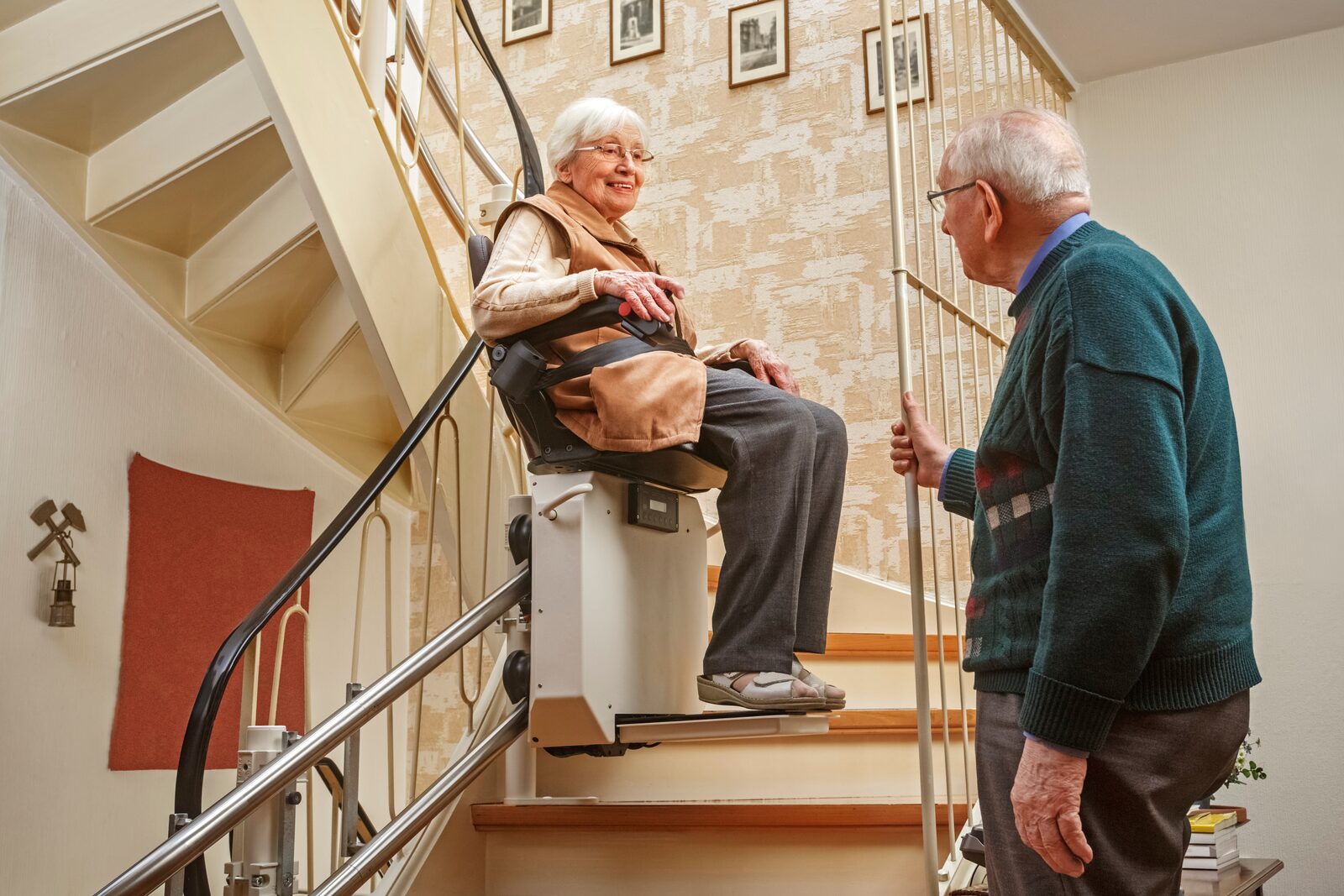
For families caring for a parent or partner with dementia, the home becomes the front line. Stairs become falls risks. Bathrooms become hazards. Familiar layouts can confuse and frighten. The Housing Adaptation Grant exists, in large part, for exactly this situation — to keep someone living at home safely for as long as that's the right thing for them.
This guide covers what dementia-friendly home adaptations actually look like, which ones the HAG will fund, the things you can add cheaply yourself, and how the application differs (if at all) when the qualifying condition is dementia.
Why dementia changes the home-safety calculation
Most home-adaptation grants are designed around physical mobility limits — joint pain, post-stroke weakness, post-fall recovery. Dementia adds a layer that pure physical adaptations don't fully address: cognitive change. The person living with dementia may forget where the bathroom is, may try to descend stairs in the dark without realising, may leave the cooker on, may not recognise their own front door from the inside.
The home-safety strategy for dementia therefore has three parallel goals:
- Physical safety — preventing falls on stairs, slips in the bathroom, scalds at the cooker
- Wayfinding — making the home easier to navigate as orientation declines
- Independence preservation — letting the person do as much as they safely can, for as long as they can
The Housing Adaptation Grant directly funds the first goal (physical safety). The other two are usually low-cost additions you can do yourself once the structural pieces are in place.
HAG-funded adaptations most relevant for dementia
Stairlifts
The most common HAG-funded adaptation for dementia families. Stairs are the highest single source of fatal falls in older Irish people, and dementia significantly increases stair-related risk through both physical balance changes and cognitive misjudgment of steps.
Modern stairlifts have a key-lock isolation switch — family carers can disable the lift when the person with dementia is alone and only enable it when supervised use is appropriate. This means the same stairlift can serve as a safety device in mid-stage dementia where the person uses it independently with care, and also as a safety lockout in later-stage dementia where unsupervised stair use becomes dangerous.
The OT report should specifically address dementia-related considerations: ease of operation, the powered swivel seat for safe transfer at the top landing, key-lock supervision, and any aids needed for the person to identify the lift call buttons.
Level-access shower / accessible bathroom
The second-highest source of in-home injury after stairs. Dementia compounds bathroom risk because the person may forget the order of bathing steps, leave taps running, slip on wet floors, or struggle to operate complex shower controls.
HAG-funded bathroom adaptations typically include: removing the bath and installing a level-access wet-room shower; adding a fold-down shower seat; installing thermostatic shower controls (preventing scalding); grab rails at strategic points; non-slip flooring; raised WC seat with grab rails; and contrasting colour finishes (grab rails in a colour that contrasts the wall makes them visible to a person with reduced visual processing).
Ground-floor extensions for an accessible bedroom and bathroom
For families approaching mid-to-late stage dementia, the question often becomes whether the upstairs is needed at all. A ground-floor extension creating an accessible bedroom and bathroom can transform the situation — the person lives entirely on one level, the falls-risk staircase becomes a non-issue, the carer's job becomes easier.
The HAG covers extensions up to €40,000 where structurally appropriate. This is the largest single use of the grant and warrants careful planning, including building regulations sign-off and structural surveyor input.
Ramps and external access
If the front or back entrance has steps, a ramp may be needed not for the immediate present but for the next 12–24 months as the condition progresses. Having the ramp in place before it's urgently needed is far less disruptive than rushing it in during a crisis.
Low-cost dementia-friendly additions (not HAG-funded but worth doing)
The HAG funds the structural pieces — what families pay for themselves are the smaller orientation and safety aids. These are inexpensive and often as impactful as the bigger works:
- Contrast and colour signalling: a brightly coloured toilet seat is much easier to see than a white one against white tiles. Same for door frames in contrasting colour to walls.
- Clear signage on doors: simple labels with words and pictures — "Bathroom", "Bedroom", "Kitchen" — help orientation in mid-stage dementia.
- Dementia-friendly clocks showing the day, date, and morning/afternoon/evening: ~€30–€60 from Alzheimer Society shop, helps reduce time-confusion.
- Movement-activated night lights on the route from bedroom to bathroom: €10–€20, reduces nighttime fall risk.
- Cooker safety devices: automatic gas shut-off (€80–€200) or induction-hob retrofit eliminates fire risk from forgotten cooking.
- Door alarms for the front door if wandering becomes a risk: €30–€80.
- Reflective floor markings at the top and bottom of stairs (a strip of contrasting tape) helps the person register the step transition.
How the HAG application differs for dementia cases
The application process is the same as any other HAG case, but a few elements warrant attention:
- The OT report carries extra weight. Make sure the OT specifically discusses cognitive considerations — falls risk on stairs given orientation changes, bathroom safety given executive-function decline, the role of supervised vs. unsupervised use.
- GP letter is helpful. A short GP letter confirming the dementia diagnosis (memory clinic letter, neurology consultation summary, or simple GP confirmation) strengthens the case considerably. The letter doesn't have to be lengthy — a paragraph confirming the diagnosis and the practical implications is sufficient.
- Mark the urgency field. If there's been a fall, a near-miss, or a hospital discharge, mark the application as urgent and the OT report as urgent. Some councils prioritise urgent dementia cases.
- Future-proof the works. Dementia progresses. If the OT only specifies a stairlift but a ramp will be needed in 12 months, ask the OT to include both in one application — adding adaptations later requires a fresh application.
Working with the Alzheimer Society of Ireland
The Alzheimer Society of Ireland (alzheimer.ie) provides a national helpline (1800 341 341), local family support workers, and Day Centres in many parts of the country. Their family support service can advise on home-safety strategies, signpost to local OTs, and provide emotional support through what is often a very challenging time for families. They also maintain useful resource lists for dementia-specific products.
Frequently asked questions
If my parent has Alzheimer's, do I apply for the HAG in their name or mine?
The HAG is applied for in the name of the person who needs the adaptations — your parent. As the family member helping with the application, you can fill in the form on their behalf and serve as the contact person. Many councils explicitly allow a family member or carer to manage the paperwork.
What if my parent doesn't want adaptations they need?
This is a real and common situation. Sometimes the OT visit itself helps — hearing professional advice in their own home can change the conversation. Sometimes a phased approach (start with grab rails and the bathroom; add the stairlift later) feels less imposed. The Alzheimer Society of Ireland family support service has experience with exactly this situation and can offer practical advice.
Can the HAG fund a stairlift if dementia is the only condition?
Yes — provided the OT report supports the recommendation. Dementia-related falls risk is a recognised clinical justification. The grant is not contingent on having a physical mobility diagnosis on top of dementia.
What about renting accommodation — can a tenant apply?
Yes, with the property owner's written consent. Private tenants need a tenancy registered with the Residential Tenancies Board and the landlord's signed permission for the works. Approved Housing Body tenants apply through the AHB.
Practical note: we have helped families through HAG applications where the qualifying condition was dementia. The most common pattern is: a son or daughter taking the lead on the paperwork while caring for a parent at the same time. We handle the OT coordination, three quotes, and council application so the family can focus on care.
Caring for someone with dementia? Let us handle the paperwork.
We coordinate the OT report, source three installer quotes, and prepare the council application — so you can focus on being there for your family member.
Get in touch →